

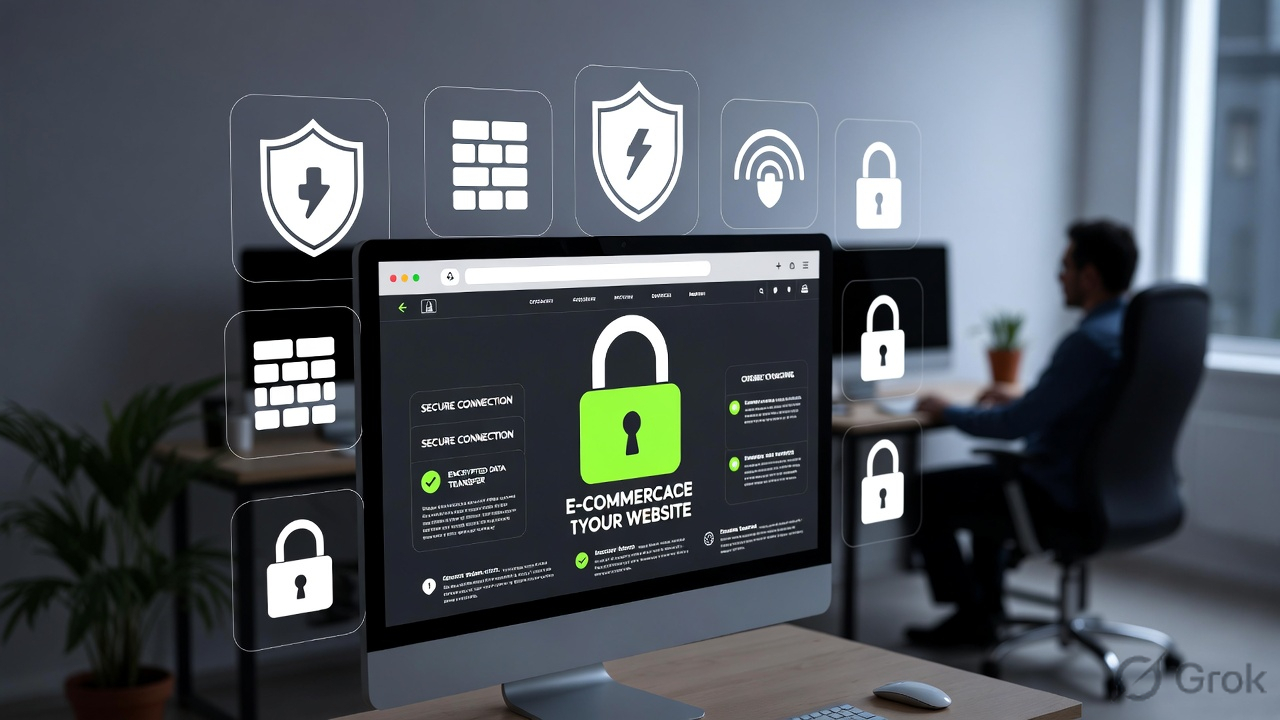
Ecommerce Website Security: Protecting Against Cyber Threats and Data Breaches
Introduction to Ecommerce Website Security
Ecommerce website security is critical for protecting your online store and customer data from cyber threats like data breaches, malware, and fraud. With cyberattacks costing businesses billions annually and 60% of customers avoiding stores after a breach, robust security measures are essential. This guide explores key security practices, tools, and strategies to safeguard your ecommerce store.
Why Website Security Matters
Security breaches lead to financial losses, damaged reputation, and legal penalties. Strong security builds customer trust, ensures compliance with regulations like GDPR and PCI, and protects revenue, with secure sites seeing 10–20% higher conversions due to increased confidence.
Common Ecommerce Cyber Threats
1. Data Breaches:
· Hackers access customer data like credit card details.
· Example: Exploiting weak passwords or unencrypted data.
2. DDoS Attacks:
· Overloading servers to disrupt operations.
· Example: Flooding your site during a sale.
3. Malware:
· Malicious software stealing data or compromising functionality.
· Example: Injecting code via outdated plugins.
4. Phishing Scams:
· Fraudulent emails targeting customers or staff.
· Example: Fake login pages stealing credentials.
5. SQL Injections:
· Exploiting database vulnerabilities to access data.
· Example: Inserting malicious code via forms.
Key Security Practices
1. Use SSL Certificates:
· Encrypt data between your site and customers with HTTPS.
· Benefits: Builds trust with a padlock icon and improves SEO.
2. Ensure PCI Compliance:
· Meet Payment Card Industry standards for secure transactions.
· Benefits: Protects cardholder data and avoids penalties.
3. Implement Two-Factor Authentication (2FA):
· Require additional verification for admin and customer accounts.
· Benefits: Reduces unauthorized access risks.
4. Regular Software Updates:
· Patch vulnerabilities in platforms, plugins, and themes.
· Benefits: Prevents exploitation of outdated software.
5. Use Firewalls and DDoS Protection:
· Block malicious traffic with web application firewalls (WAFs).
· Benefits: Safeguards against attacks and downtime.
Tools for Ecommerce Security
tTooltPurposetBest FortStarting Price
tCloudflaretDDoS protection, WAF, and CDNtTraffic protectiontFree (premium optional)
tSucuritMalware scanning and firewalltComprehensive securityt$199.99/year
tLet’s EncrypttFree SSL certificatestBudget-conscious storestFree
tSifttAI-driven fraud preventiontFraud detectiontCustom pricing
Cloudflare
Provides DDoS protection, WAF, and CDN for speed and security.
Sucuri
Offers malware scanning, removal, and firewall protection.
Let’s Encrypt
Delivers free SSL certificates for secure transactions.
Sift
Uses AI to detect and prevent fraud in real-time.
Steps to Secure Your Ecommerce Website
1. Conduct a Security Audit:
· Use Sucuri to scan for vulnerabilities and malware.
· Identify weak points like outdated software or weak passwords.
2. Implement Encryption:
· Activate SSL with Let’s Encrypt or your platform.
· Ensure all pages use HTTPS.
3. Secure Payment Processing:
· Use PCI-compliant gateways like Stripe or PayPal.
· Avoid storing sensitive payment data.
4. Set Up Monitoring:
· Use real-time monitoring tools to detect suspicious activity.
· Set alerts for unauthorized access attempts.
5. Educate Your Team:
· Train staff on phishing, password security, and best practices.
· Establish protocols for handling breaches.
Common Mistakes to Avoid
· Skipping SSL: Unencrypted sites deter customers and hurt SEO.
· Ignoring Updates: Outdated software increases vulnerabilities.
· Weak Passwords: Easily guessed passwords risk account takeovers.
· Neglecting Backups: Lack of backups leads to data loss.
Tips for Ongoing Security
1. Schedule Regular Backups: Automate backups to recover data quickly.
2. Conduct Penetration Testing: Hire experts to test your defenses.
3. Communicate Security: Display trust badges to reassure customers.
4. Stay Informed: Follow cybersecurity blogs for the latest threats.
5. Use Multi-Layered Security: Combine SSL, 2FA, and firewalls for robust protection.
Case Study: Security Success
A mid-sized apparel store implemented Cloudflare and Sift, reducing DDoS-related downtime by 90% and preventing 95% of fraudulent transactions. Adding SSL and 2FA increased customer trust, boosting conversions by 15%.
Conclusion
Ecommerce website security is essential for protecting against cyber threats and building customer trust. By using tools like Cloudflare, Sucuri, and Sift, and implementing SSL, PCI compliance, and 2FA, you can safeguard your store. Stay proactive with updates, monitoring, and education to ensure a secure, trustworthy ecommerce experience.


